Sam Hewitt

  • Western requiem

    Western requiem

    by

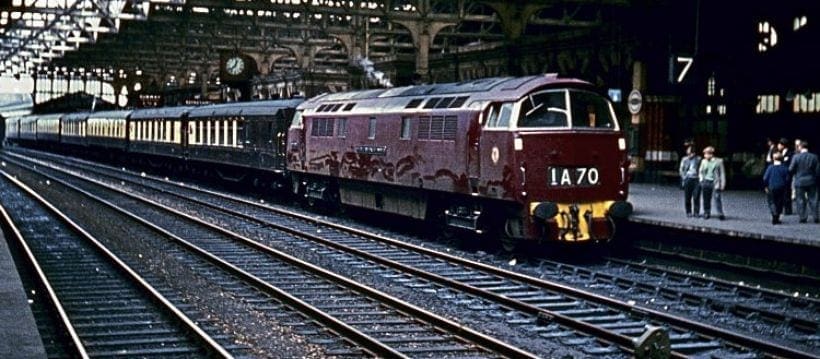
    This month marks the 40th anniversary of the end of the class on British Rail and John Heaton FCILT recalls some performances by the ‘Westerns’ in their heyday. What made the ‘Western’ 2,700hp Western Region diesel hydraulics so different? This is a question that is often posed, especially by observers who were too young to…

    Continue reading »

  • Merger plan for policing in Scotland a ‘bad idea’

    Merger plan for policing in Scotland a ‘bad idea’

    by

    AT A time where stories of industrial relations’ disputes are headline news, it is rare to find a topic that the unions, rail industry and stakeholders all agree upon. The British Transport Police (BTP) does a superb job and is widely recognised for its specialist knowledge of railways, the underground network and tram systems. Its…

    Continue reading »

  • IMPORTANT: February crossword correction

    by

    Please note: The clue to 27 across of the February crossword should read Class 60 No. 60082 (and not 92) We are sorry for any inconvenience this may have caused

    Continue reading »

  • GRESLEY’S A3s

    GRESLEY’S A3s

    by

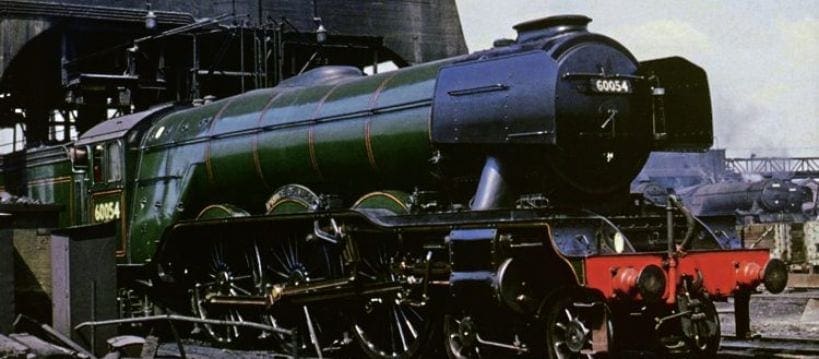
    By Peter Tuffrey IT WASN’T that many years ago that detailed books on ‘A3s’ were something of a rarity compared with those covering other famous classes. Indeed, it wasn’t until as relatively recently as 2002/3 that it was possible to buy hardback editions containing photos of every member of the fleet in numerical order. Fortunately,…

    Continue reading »

  • Armoured Trains

    Armoured Trains

    by

    By Paul Malmassari THIS is a true magnum opus, containing 528 pages, weighing 5½lb and priced at £50, but it will be invaluable to anyone even vaguely interested in the subject of railways and war. Although published in 1989, it has been available only in French text until now, but its recent translation into English…

    Continue reading »

  • Lines Around Stamford

    Lines Around Stamford

    by

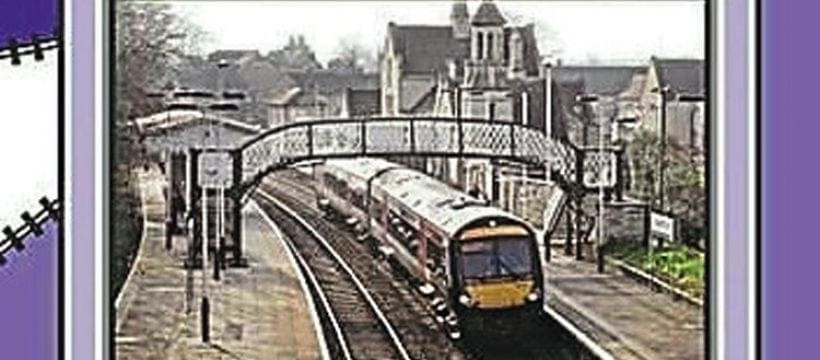
    By Vic Mitchell and Keith Smith CONTINUING the sweep northwards in a quest to cover the railways of the whole country, Middleton Press completes its survey of south Lincolnshire with this volume centred on Stamford. An architectural gem of a town, whose historic fabric has not suffered too badly from the indignities of 20th century…

    Continue reading »

  • The Rise and Fall of Britain’s Railway Marshalling Yards

    The Rise and Fall of Britain’s Railway Marshalling Yards

    by

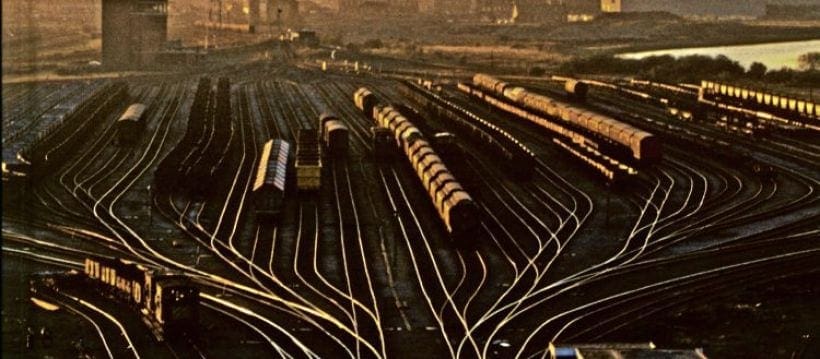
    By Michael Rhodes ALMOST 30 years ago, author Michael Rhodes published a book entitled The Illustrated History of British Marshalling Yards, which was deservedly hailed as the definitive work on the subject. In 2013, The Railway Magazine commissioned an update from him in the form of a series of articles, and during the preparation of…

    Continue reading »

  • Rails Through North Kerry

    Rails Through North Kerry

    by

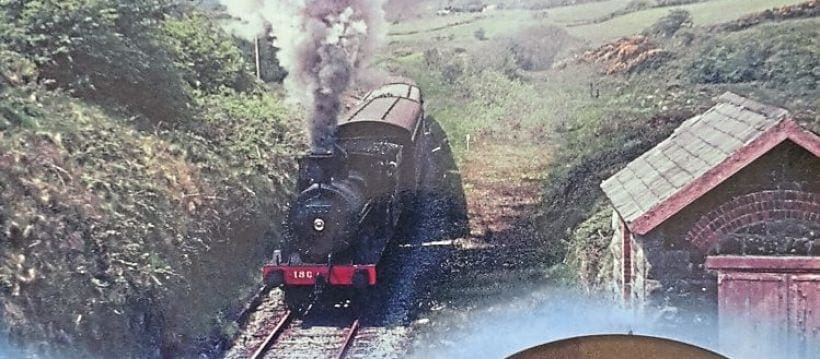
    Jonathan Beaumont and Barry Carse THE picturesque single-track through route that meandered south-west from Limerick to Tralee from 1880 until 1975, is still considered a loss to the Republic of Ireland’s railway network over 40 years after it ceased to be. Known by railwaymen as the ‘North Kerry’ line, even though more of the route…

    Continue reading »

  • Limerick the destination for Irish railway preservation society’s signature railtour

    Limerick the destination for Irish railway preservation society’s signature railtour

    by

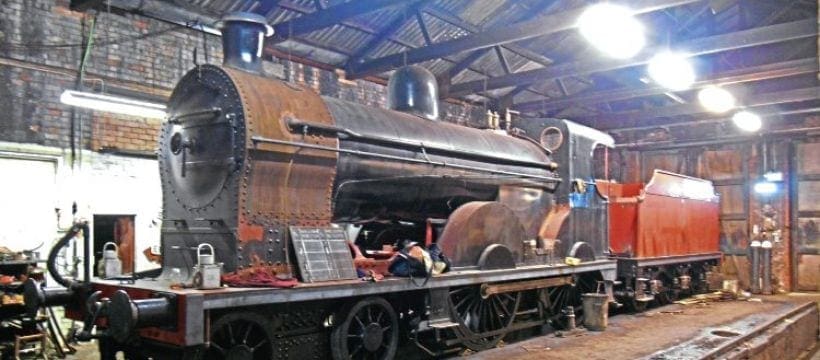
    THE Railway Preservation Society of Ireland has released the preliminary itinerary for its 48th annual May multi-day railtour, which this year will be taking a circular route from Dublin to Limerick. Events kick off on May 4 with a steam-hauled positioning move to bring both passengers (in the Mk2 set) and GNR(I) ‘V’ class 4-4-0…

    Continue reading »

  • Hythe Pier railway under threat

    Hythe Pier railway under threat

    by

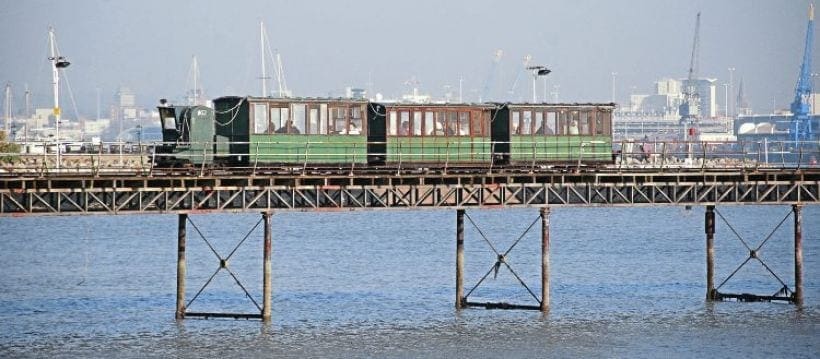
    By David Staines THE Hythe Pier Railway in Hampshire is facing an uncertain future. The 2ft-gauge line forms part of an important commuter link between the New Forest and the commercial centre of Southampton and is worked by electric locomotives built in 1917 by Brush for the First World War. If the railway remains open,…

    Continue reading »