Features

  • LAZARUS LINES: Rebirth of the Corris Railway

    LAZARUS LINES: Rebirth of the Corris Railway

    by

    In the latest instalment of our periodic Lazarus Lines features Cliff Thomas describes the resurrection the Corris Railway, previously owned by the GWR and Nationalised in 1948. THREE Welsh narrow gauge lines (all different gauges) passed through Great Western Railway ownership to become part of British Railways in 1948. The Vale of Rheidol Railway never…

    Continue reading »

  • 7027: PHOENIX RISING: Restoring Thornbury Castle – No busman’s holiday

    7027: PHOENIX RISING: Restoring Thornbury Castle – No busman’s holiday

    by

    It came as a great surprise to many when The Railway Magazine broke the news last August that unrestored GWR ‘Castle’ No. 7027 Thornbury Castle had been sold to a 32-year-old enthusiast from Weston-super-Mare. Twelve months on and Jonathan Jones-Pratt is about to embark on the loco’s restoration, so Gary Boyd-Hope went to find out what…

    Continue reading »

  • Classic Railway stations: Nottingham Victoria

    Classic Railway stations: Nottingham Victoria

    by

    Robin Stewart-Smith concludes the story of the demise of an East Midlands railway station, covering the period from the Second World War to closure on September 4, 1967. Second World War 1939-1945 During the Second World War, passenger services using Nottingham Victoria were severely restricted to allow greatly increased freight, troop or special traffic between…

    Continue reading »

  • PRACTICE & PERFORMANCE: ELECTRICS, DIESELS AND ELECTRO-DIESELS

    PRACTICE & PERFORMANCE: ELECTRICS, DIESELS AND ELECTRO-DIESELS

    by

    The June issue of Practice & Performance covered a journey in the cab of a Class 92 from Euston to Glasgow. Thanks to the good offices of Serco Caledonian Sleeper and GB Railfreight. John Heaton FCILT resumes the story with a Class 73 cab ride from Aberdeen to Edinburgh. THE distinctive noise of an MTU…

    Continue reading »

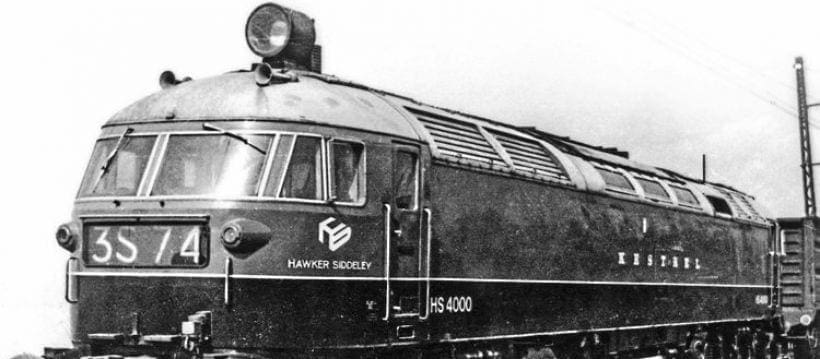
  • THE KESTREL STORY: The big bird that flew too far

    THE KESTREL STORY: The big bird that flew too far

    by

    Part 2: Soviet Union and derivatives by Robert Humm It’s 50 years since the prototype diesel Kestrel first graced the British Rail network, but after four years it was sold to Russia. The RM presents the story of its life behind the Iron Curtain and the locos it inspired in the USSR. As we saw…

    Continue reading »

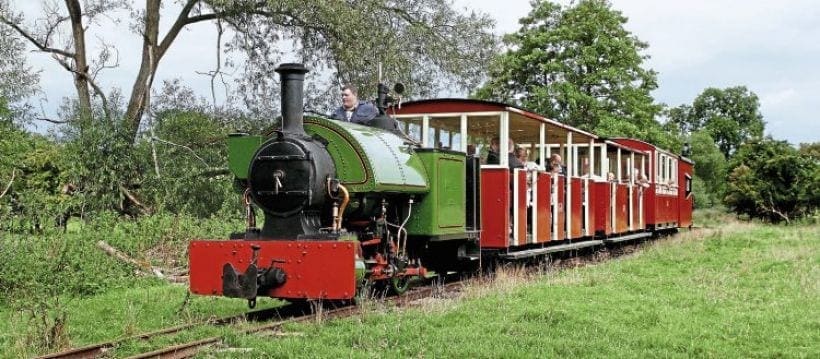
  • Preserved line focus – Amerton’s attractions

    Preserved line focus – Amerton’s attractions

    by

    The first sod for the Amerton Railway was cut in 1990 in a field alongside a farm east of Stafford. The land it ran on was bought in 2012 by the Staffordshire Narrow Gauge Railway Society, whose members embarked on a number of improvements, as Mark Smithers discovers. FORMED in 1987, the objectives of the…

    Continue reading »

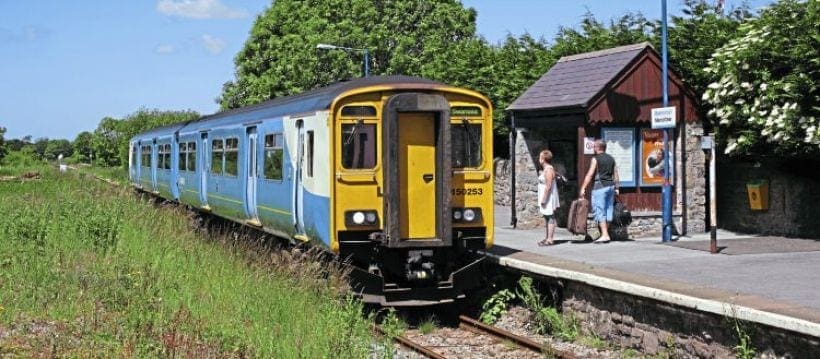
  • West of Whitland

    West of Whitland

    by

    The railway system in West Wales is a curious mix of single and double track with freight lines. Stuart Warr looks at this pocket of the network that is off the beaten track. THE three surviving railway lines west of Whitland are largely within the county of Pembrokeshire, a county with a population of 122,400,…

    Continue reading »

  • The big bird that flew too far

    The big bird that flew too far

    IT has been described by its admirers as the best-looking diesel locomotive to grace the railways of Britain… and even today it still holds the record as the mightiest in terms of brake horsepower. But as has so often happened over the course of history, the most gifted don’t always enjoy the longest or happiest…

    Continue reading »

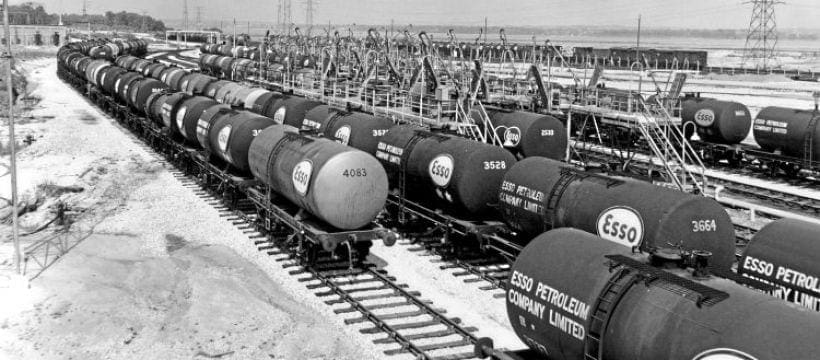
  • FAWLEY FINALE

    FAWLEY FINALE

    by

    For more than 80 years, ExxonMobil and its predecessors used rail to move oil products from the Fawley refinery, but all traffic ceased in September. Nick Lera charts the history of this Hampshire industrial site. BORN of the oil industry and now discarded by it, the 9½-mile Hampshire branch from Totton to Fawley has stopped…

    Continue reading »

  • When Steam Met its Waterloo

    When Steam Met its Waterloo

    WATERLOO station in the 1950s was different from other London termini. Substantially rebuilt by 1921, it was more spacious and, thanks to third-rail electrification, cleaner and more tranquil. But there was still some steam: as you emerged from the Underground, soft music from the loudspeakers would blend with the singing of Drummond safety valves from…

    Continue reading »