

We have received payment for the content in this article. Learn more.
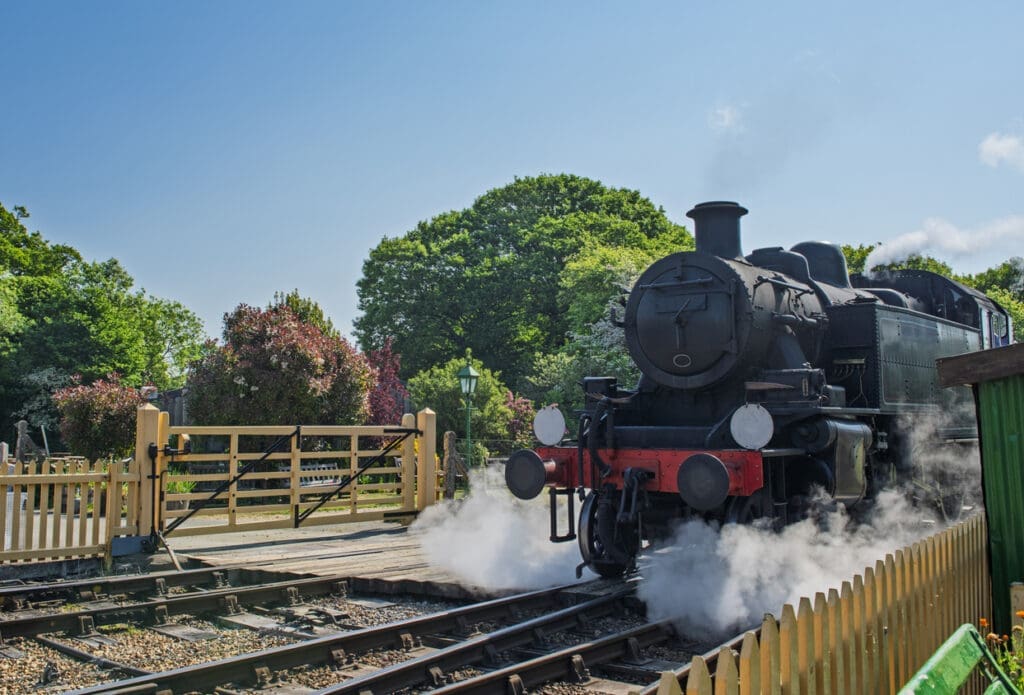
For decades, the primary allure of heritage railways has been the opportunity to step back in time. The rhythmic chuff of a steam locomotive, the smell of coal smoke, and the tactile clatter of vintage rolling stock offer a sensory escape from the modern world.
However, as the railway industry moves deeper into the mid-2020s, a subtle but significant shift is occurring in passenger expectations. Even on lines dedicated to preservation, the modern traveller increasingly expects a digital layer to accompany their historical journey.
The tension between preserving the past and accommodating the present is palpable. While the visual aesthetic of a 1950s carriage must remain inviolate to maintain the immersive experience, the invisible infrastructure supporting that journey is under pressure to evolve. The question for operators is no longer if they should offer connectivity, but how to do so without breaking the spell of the past.
The core challenge for heritage operators lies in the physical preservation of the environment. A Mark 1 carriage leaves little room for visible modern technology. The installation of routers, charging points or digital signage can immediately shatter the period atmosphere that volunteers have spent thousands of hours recreating. Operators are tasked with hiding the 21st century behind the veneer of the 20th, ensuring that while the digital signal is strong, the source remains unseen.
Passengers arriving from mainline connections are accustomed to seamless digital environments. When they transfer to a heritage branch, the sudden drop in connectivity can feel less like a period feature and more like an inconvenience, particularly for younger visitors who document their lives in real-time. The goal for preservationists is to ensure that the digital silence is a choice, allowing history to take centre stage without isolating the passenger from their modern necessities.
Once the infrastructure is subtly in place, the focus shifts to how connectivity enhances the passenger experience. While the scenery is the primary attraction, consistent internet access allows for a different kind of engagement during the quieter moments of the trip. Families can research the history of the locomotive pulling their train, access digital route guides, or simply stay connected with friends.
With a stable connection, travellers can seamlessly switch between enjoying the passing countryside and engaging with their own digital devices. This flexibility means that during a lull in the journey, a passenger might choose to stream music, watch a video, or browse gaming sites which are regulated overseas and non-UK licensed casinos which do not comply with UK safety regulation to pass the time. By facilitating these, heritage railways acknowledge that modern leisure is a hybrid of physical presence and digital access.
The pressure to provide these amenities is driven by surging passenger numbers across the wider network. Data indicates that Great Britain’s mainline railways recorded 1084 million passenger journeys in the last fiscal year, a 7% increase that reflects a broader appetite for rail travel. As these mainline passengers spill over onto heritage lines, they bring their connectivity habits with them, creating a demand curve that preservation societies cannot ignore if they wish to remain competitive attractions.
Vintage carriages are essentially Faraday cages, steel boxes that are excellent at blocking signals. Furthermore, these vehicles lack the sophisticated power generation systems found on modern trains. Retrofitting a 1930s dining car with the necessary cabling and power supply for Wi-Fi requires bespoke engineering solutions that respect the fabric of the vehicle while adhering to modern safety standards.
Even on the national network, keeping up with standards is a struggle. Recent reports highlight that over half of all UK rail Wi-Fi connections ran on the outdated Wi-Fi 4 standard, with a significant portion relying on low-capacity bands prone to interference. For heritage lines, which often operate in rural areas with poor connection, the challenge is twofold: Acquiring the signal from the outside world and distributing it effectively inside a train that was never designed for electricity, let alone data.
To attract the next generation of volunteers and visitors, railways are learning to bridge the gap between the industrial revolution and the digital revolution. This does not mean replacing the steam whistle with a push notification, but rather using technology to tell the story of the railway more effectively.
Analysts project that the UK digital railway market is forecast to grow at a 8.9% compound annual growth rate driven by the need for intelligent systems and enhanced passenger services. For heritage railways, tapping into this growth, even in a scaled-back, historically sensitive way, ensures they remain relevant cultural assets rather than fading curiosities.