
We have received payment for the content in this article. Learn more.
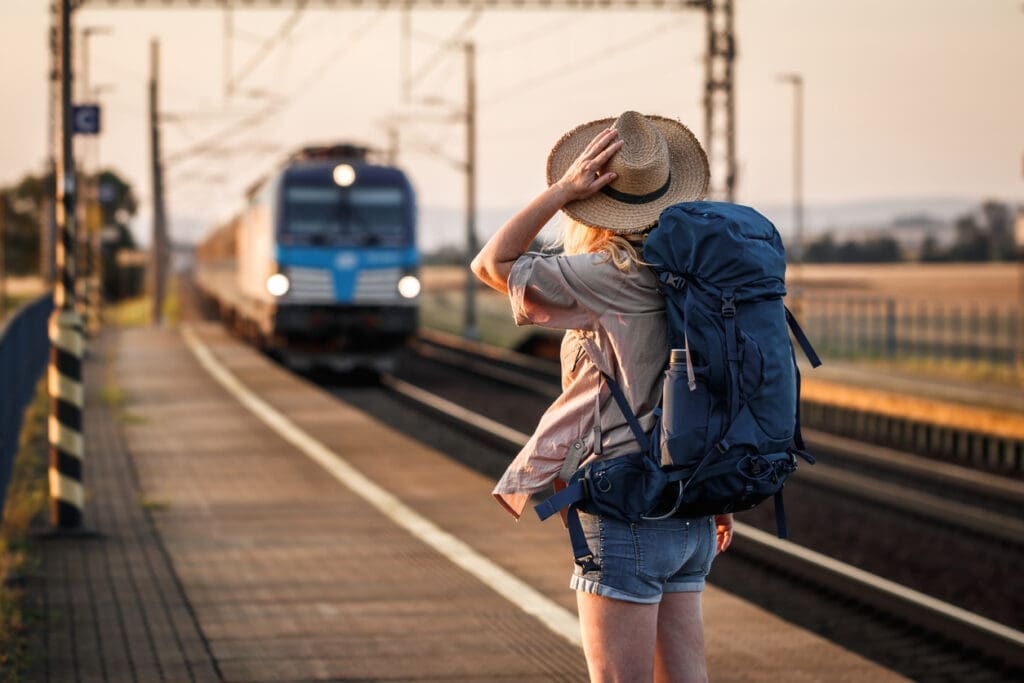
Taking a train across international borders can be one of the most rewarding and scenic ways to travel.
Whether you’re travelling through Europe, exploring Asia, or hopping between countries in Africa, international rail travel combines comfort with cultural discovery.
However, before embarking on a trip like this, there are some things you have to do to ensure everything goes smoothly, and we’ve picked out four such tasks that can help make the most of your international rail travel.
Bring the right entertainment
Long train rides can be peaceful and relaxing, but if you spend days in the same seat, things can sometimes also get boring. So, having everything you need to keep yourself entertained for the duration of the trip can make a big difference in how enjoyable the entire experience is.
Luckily, you can fit all the entertainment you need on your smartphone and save some space in your luggage.
Music is perfect for setting the mood, whether you’re just trying to relax or watch the scenery pass. Create a few playlists in advance so you can switch between upbeat tracks, calm background tunes or your favourite artists.
When you need to make large chunks of time to pass faster, watching a movie is always a solid choice. Streaming often works on trains which have reliable wi-fi, but it’s a good idea to download a few in case the connection drops.
Another thing that can keep you engaged during longer stretches is gaming. Puzzle and strategy games are always great for passing the time. If you enjoy slots, sites like ukslotsnotongamstop.com can point you to mobile-friendly casino platforms that are easy to access while travelling.
Books have always been a great and classic way to pass the time, especially on quiet stretches of the journey. If you’re short on space, eBooks are a practical choice. On the other hand, if you have space, you can always bring hard copies to add a bit of old-school charm to the ride.
Pack for comfort and access
Travelling by train is a lot different to flying. There’s more legroom and freedom to move, but there’s a limit to what you can carry comfortably. This is especially the case if the train requires you to keep your luggage above your seat or in a shared compartment.
That’s why it’s important to pack light and smart. Ideally, you can pack in a medium-sized travel backpack that you can easily lift and manoeuvre. Besides that, you need a smaller daypack where you can keep your essentials such as a passport, tickets and phone. This provides extra safety and makes it easy to grab these items without searching through your backpack mid-journey.
Since train temperatures may vary throughout the ride, you want to have clothes for any weather. Your best bet is to pack items that you can wear in layers. If you have space, you may also want to pack a travel pillow and an eye mask to be able to sleep on the train.
Even if the trains you’ll be using offer food service, it’s also smart to pack a few simple meals or snacks, just in case.
Learn about different types of trains
There is a lot about rail travel that you may want to learn before boarding for your first ride. Just a little bit of research can make the entire experience more enjoyable.
The first thing you want to research are different types of trains. This is especially the case if you don’t have the entire trip planned and you want to buy tickets as you travel.
Regional trains connect small cities within a country and are typically intended for short-distance rides. For most rides, there’s no need to book tickets in advance. However, it’s still a good idea to check availability online before you show up at the station.
Express trains typically operate on longer international routes. For them, you’ll always want to make reservations in advance to ensure a smoother journey.
As the name suggests, high-speed trains travel faster and have fewer stops. They’re your best option when covering longer distances as they can save you time compared to other types. Just keep in mind that reservations are required, and you may want to take care of them before the start of your trip.
Lastly, there are night trains which are equipped with sleeper cars. Depending on the train, these may be private compartments, couchettes (shared compartments), or reclining seats.
Prepare for stations
Going on a long journey and changing trains means you’ll spend a lot of time in railway stations. Knowing the basics of how they work and preparing yourself can make it easier to find your trains, buy tickets and board the right coaches.
Always study the surrounding area map and make sure you can find the station easily. This is something you can do on your previous rides to stay prepared.
Ideally, you should always be at the station at least half an hour before your train leaves. This gives you enough time to buy tickets and find your platform. Once you have the tickets, it’s a good idea to double-check the information and times on them.
Also, find your stop on the map and confirm the name of the station to ensure you get out at the right time.
Another thing you can do is learn some basic phrases in the local language. Words like “platform”, “ticket” or “exit” can help you navigate new stations more easily. Those in large cities may offer this information in English, but smaller or rural stations may not. Even once you learn some basic phrases, having a translation app for easier communication can help.